Wave After Wave Designing Seawalls for Continuous Impact
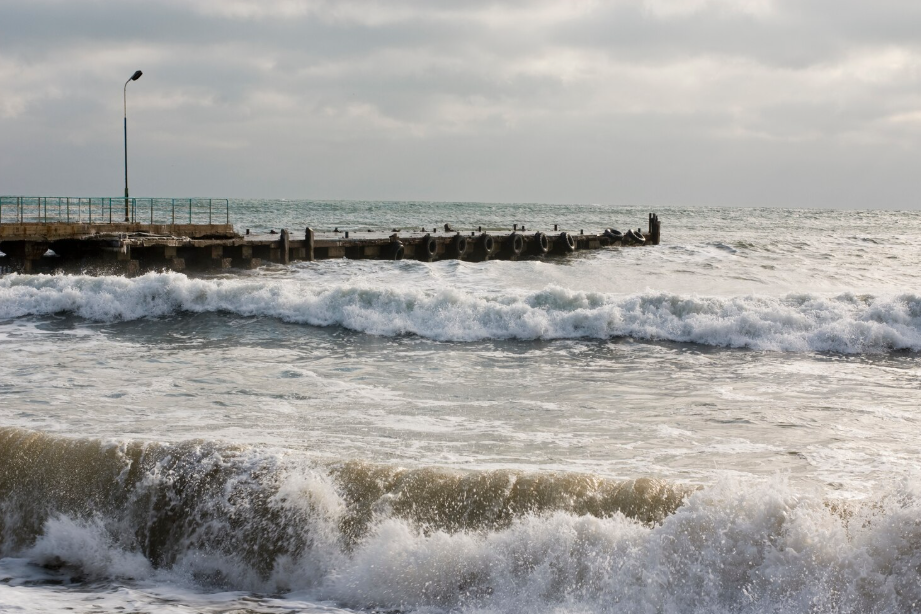
Coastal shorelines experience nonstop movement from water, wind, and changing tides, creating ongoing stress along the waterfront. Structures that are not built for long term coastal conditions can gradually lose stability as environmental pressure increases over time. Building stronger coastlines with modern seawall construction focuses on creating durable waterfront protection designed to perform through changing marine conditions and severe weather exposure.
Today’s construction methods combine deeper structural support, stronger materials, and advanced engineering techniques to improve overall seawall performance. This modern approach helps coastal structures manage continuous wave energy more efficiently while supporting long term shoreline stability and property protection.
How Repeated Wave Action Affects Seawalls
Wave impact is not just about force. It is a combination of pressure, motion, and timing. Each wave strikes the seawall, applies energy, and then pulls back, creating a cycle that places stress on both the surface and the foundation.
- Direct impact that stresses the outer surface
- Suction effect as water recedes, pulling at the structure
- Continuous vibration that leads to material fatigue
- Increased pressure during storms and high tide
- Erosion at the base caused by moving water
These repeated effects gradually reduce the strength of the seawall if they are not accounted for in the design. Over time, this can lead to cracking, shifting, or structural instability.
Designing for Energy Management Instead of Resistance
Modern seawall design focuses on managing wave energy rather than simply resisting it. When a structure absorbs the full force of each wave, stress builds up quickly. By reducing and redirecting that energy, the seawall experiences less strain and lasts longer.
Engineers design surfaces that deflect waves at an angle, allowing energy to move away from the structure. In some cases, stepped or textured designs are used to break up wave force before it reaches the wall. These approaches reduce the intensity of impact and improve overall durability.
This method of energy management ensures that the seawall performs efficiently under continuous conditions.
Structural Features That Improve Long Term Performance
To handle repeated impact, seawalls must include specific design features that enhance strength and stability. These elements work together to support the structure under constant pressure.
- Deep foundations that anchor the wall securely
- Reinforced sections that handle high stress areas
- Angled or curved surfaces to deflect incoming waves
- Flexible joints that allow controlled movement
- Integrated drainage systems to reduce internal pressure
These features help distribute stress evenly across the seawall, preventing concentrated damage and improving long term performance.
Materials Built to Withstand Repetition
The choice of materials plays a critical role in how well a seawall handles continuous wave action. Repeated impact can cause fatigue in weaker materials, leading to cracks and surface wear.
- High strength concrete designed for repeated loading
- Reinforced steel protected against corrosion
- Durable coatings that resist surface erosion
- Composite materials that provide flexibility and strength
- Components selected for long term durability
Using materials that can handle repeated stress ensures that the seawall maintains its integrity over time, even under constant exposure.
Precision Construction for Continuous Performance
Design and materials alone are not enough. Proper construction ensures that the seawall performs as intended under real world conditions. Even small construction errors can reduce the structure’s ability to handle repeated impact, which is why working with an experienced seawall contractor is essential for long-term performance and reliability.
Construction teams must carefully prepare the foundation, align structural elements accurately, and ensure that reinforcements are placed correctly. Environmental factors such as water levels and soil stability must also be considered during the process.
This attention to detail ensures that the seawall is built to withstand continuous wave action without developing early weaknesses.
Adapting to Increasing Coastal Forces
Coastal conditions are becoming more intense, with stronger waves and more frequent storms. Seawalls designed today must be prepared for these changes. Planning for future conditions helps ensure that the structure remains effective over time.
Designing with adaptability in mind allows for adjustments and improvements as conditions evolve. This forward thinking approach reduces the need for major modifications and supports long term protection.
Conclusion
Seawalls designed for continuous impact must go beyond basic strength. They need to manage wave energy, use durable materials, and be constructed with precision. By focusing on long term performance and adaptability, seawalls can withstand wave after wave while providing reliable protection for the shoreline.